UK Betting and Gaming Council Unveils 'Spot The Black Market' Quiz to Expose Illegal Gambling Sites

The Launch of a New Tool for Safer Gambling
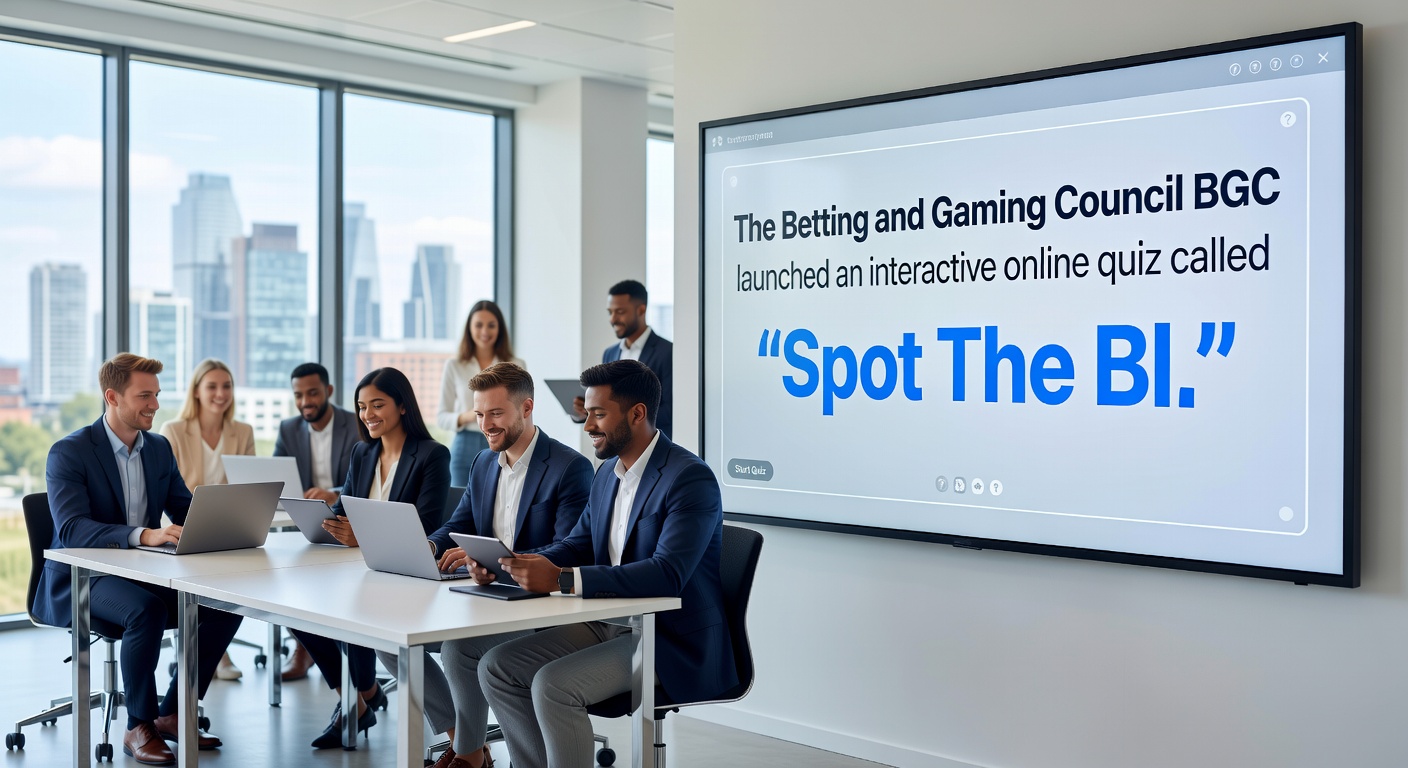
On March 10, 2026, the Betting and Gaming Council (BGC) in the UK rolled out an interactive online quiz named “Spot The Black Market,” designed specifically to equip consumers with the skills to detect unregulated and illegal gambling websites; through a series of mock screenshots, participants learn to identify key warning signs, such as the absence of a visible UK Gambling Commission licence number, which legitimate operators must display prominently.
This initiative arrives amid heightened scrutiny of the gambling sector, where black market operators increasingly mimic trusted platforms to lure players, often evading the strict regulations that protect users from harm; according to the BGC's announcement on Yogonet, the quiz serves as a straightforward educational resource, helping everyday punters navigate the online landscape with greater confidence.
What's interesting is how the tool simulates real-world scenarios, presenting side-by-side comparisons of licensed sites versus shady alternatives, so users quickly grasp what sets the two apart; experts who've reviewed similar campaigns note that such hands-on approaches stick better than dry warnings, turning passive advice into active detection skills.
How the Quiz Works and What It Teaches
Participants dive into the quiz by examining fabricated website captures, where they hunt for telltale red flags like missing or obscured licence details, unlicensed payment methods, or promises of unrealistic bonuses that scream foul play; the BGC crafted these examples to mirror tactics used by offshore operators, who dodge UK oversight while targeting British players with aggressive marketing.
And here's where it gets practical: after each round, the quiz delivers instant feedback, explaining why certain elements signal danger, such as the lack of tools for deposit limits or self-exclusion options that regulated sites provide as standard; those who've tested early versions report that it takes just minutes to complete, yet leaves users far sharper at spotting fakes in their next browsing session.
Take one mock screenshot featured prominently: a site boasting flashy odds on Premier League matches but buried deep in fine print—if anywhere—with no UKGC badge, prompting users to pause and verify before staking a penny; researchers in consumer education have found that visuals like these boost retention rates dramatically, making abstract rules feel immediate and relevant.
But the quiz doesn't stop at identification; it reinforces the broader ecosystem, reminding players that licensed operators contribute to safer environments through mandatory affordability checks and addiction support programs, features black market sites conveniently ignore.
The Growing Threat of Black Market Gambling in the UK
Black market gambling has ballooned into a serious issue, with a BGC-commissioned report revealing that £5.7 billion gets staked annually on these unregulated platforms, underscoring the scale of the problem as operators exploit gaps in enforcement; this figure, detailed in a 2024 analysis, highlights how illegal sites siphon revenue from legitimate businesses while exposing players to unchecked risks.
Turns out, these operators thrive by offering odds or bonuses that licensed sites can't match legally, but at what cost: no recourse for disputed bets, potential data theft, and zero adherence to age verification, leaving vulnerable groups wide open; observers in the sector point out that the mimicry has grown sophisticated, with cloned designs and familiar branding tricking even seasoned bettors.
So the BGC's quiz steps in at a critical juncture, especially as March 2026 brings fresh regulatory pushes from the UK Gambling Commission, which mandates clearer licensing displays to close these loopholes; data from enforcement actions shows thousands of illegal domains blocked yearly, yet new ones pop up faster than authorities can react, making public vigilance essential.
People who've encountered black market traps often share stories of lost deposits or ignored withdrawal requests, tales that echo across forums and highlight why tools like this quiz matter now more than ever; it's not rocket science—spot the missing licence, and the ball's in the regulated court's favor.
Key Risks Highlighted by the BGC Initiative
Unregulated sites skip player protection rules entirely, meaning no mandatory cooling-off periods, no reality checks during long sessions, and nothing to prevent excessive losses that regulated platforms must enforce; the BGC emphasizes these gaps in the quiz, using stark contrasts to drive the point home.
Moreover—wait, scratch that—the reality is that black market players face heightened chances of fraud, with reports indicating funds vanish without trace since no oversight body steps in to mediate; studies on gambling harm reveal that unlicensed environments amplify addiction risks, as algorithms push relentless play without safeguards.
Yet what's significant here involves consumer safety on a national scale: licensed operators fund research and treatment via levies, a system black marketeers undermine by operating in the shadows; experts who've analyzed traffic data note a surge in UK visits to these sites during major events like Cheltenham or the World Cup, precisely when the quiz's lessons prove most timely.
And consider the demographics: younger punters, comfortable with apps and quick bets, fall hardest for polished fakes, which is why the BGC targets broad accessibility with its free, mobile-friendly format; one case observers reference involves a cluster of complaints post-Euro 2024, where bettors chased better odds only to hit paywalls and ghosted support.
The Role of Industry and Regulators in Combating Illicit Operators
The BGC, representing major bookmakers and casinos, positions this quiz as part of a wider pushback, collaborating with tech firms to flag suspicious domains and educating members on whistleblowing; alongside the UK Gambling Commission, which licenses over 200 operators and blocks illicit traffic via ISPs, these efforts form a multi-front defense.
Now, as enforcement ramps up in 2026, the quiz amplifies calls for stricter ad rules and international cooperation, since many black market sites host servers abroad; figures from recent sweeps show over 60,000 warnings issued to payment providers, choking the financial lifelines of rogues.
Those in the industry who've championed similar tools praise the interactive angle, noting how past campaigns relied on posters or PSAs that faded fast, whereas quizzes gamify learning for stickier impact; it's noteworthy that the BGC plans updates, incorporating fresh scam tactics as they evolve.
Conclusion
The “Spot The Black Market” quiz marks a proactive step from the BGC, launched on March 10, 2026, to empower UK consumers against illegal gambling's pitfalls; by spotlighting missing UK Gambling Commission licences and other red flags through engaging mockups, it bridges the gap between regulation and real-world choices.
In a landscape where £5.7 billion flows to shadows annually, such initiatives underscore the stakes, blending education with urgency to foster safer habits; players who master these signs not only protect their wallets but bolster a regulated sector that prioritizes protection over unchecked thrills.
Ultimately, as black market operators adapt, tools like this keep pace, ensuring vigilance stays one step ahead in the ongoing battle for trustworthy betting.