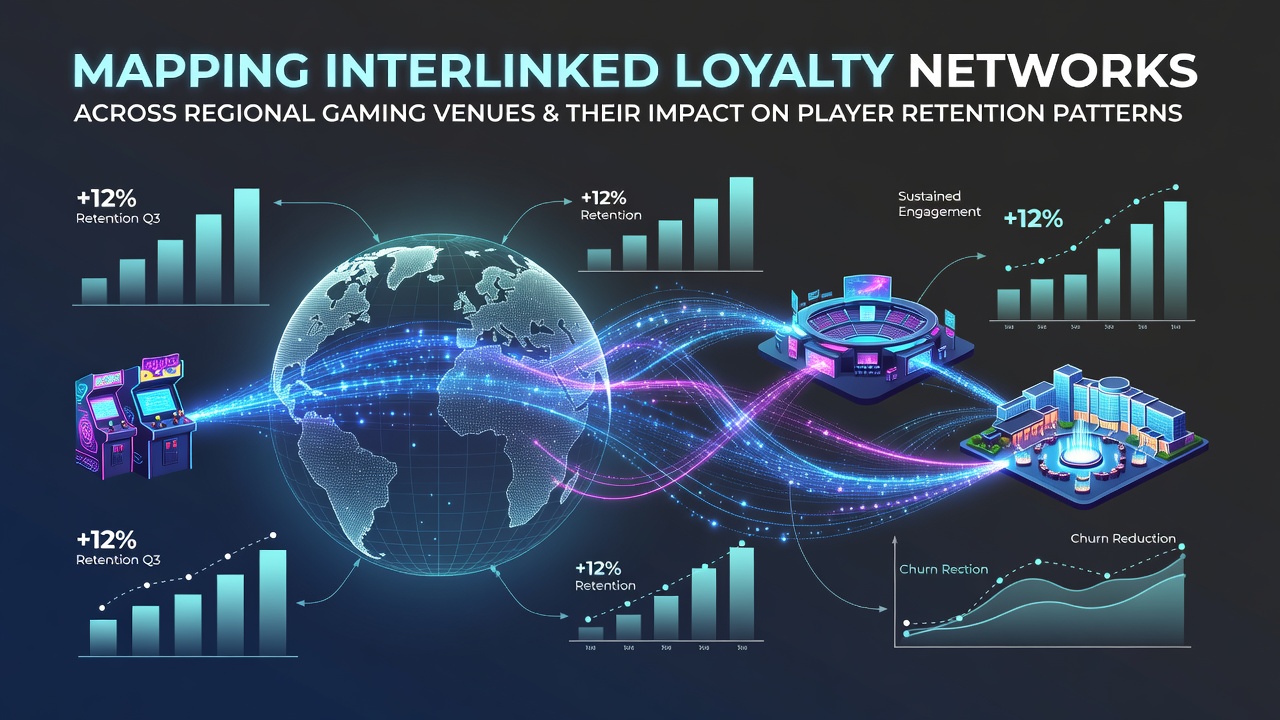
Tracing Loyalty Program Networks Among Regional Gaming Establishments and Retention Influences
Regional gaming venues have developed interlinked loyalty networks that allow operators to track player activity across multiple locations using shared databases and unified reward structures, and these systems collect detailed behavioral data that operators analyze to adjust retention strategies. Studies from institutions such as the University of Nevada, Las Vegas indicate that participants enrolled in multi-venue programs demonstrate longer visit intervals compared with those limited to single-site cards, while data collected through these networks reveals patterns in spending frequency and game preferences that inform targeted offers.
Operators build these networks through formal partnerships that enable point transfers, tier status recognition, and synchronized promotional calendars, and the resulting infrastructure creates pathways for players to move between venues without losing accumulated benefits. Researchers who examined transaction logs across several U.S. states found that such connectivity correlates with a measurable increase in cross-location visits, particularly when reward redemptions at one site unlock privileges at another.
Data Collection Methods and Network Architecture
Modern loyalty platforms integrate card readers, mobile applications, and backend servers that log every wager, redemption, and time-stamped interaction, and this architecture supports real-time mapping of player movement between venues within defined geographic clusters. Analysts at the Canadian Gaming Association have documented how aggregated datasets allow operators to identify high-value segments that respond to coordinated incentives, and the same datasets highlight seasonal fluctuations that affect retention rates across entire regions.
Venues participating in these networks often standardize earning rates and redemption values to maintain consistency, yet local customization remains possible through venue-specific multipliers or exclusive events that still feed into the shared ledger. Observers note that this balance between uniformity and flexibility helps sustain engagement while reducing the risk of players concentrating activity at a single property.
Retention Patterns Observed in Networked Environments
Retention metrics tracked through interlinked systems show that players who engage with multiple venues within a network maintain active accounts for longer periods than those restricted to isolated programs, and longitudinal records indicate higher lifetime visit counts when point portability exists. Figures released by the Australian Institute of Criminology reveal similar trends in multi-state loyalty alliances, where participants exhibit steadier play patterns even during periods of regulatory change or economic pressure.
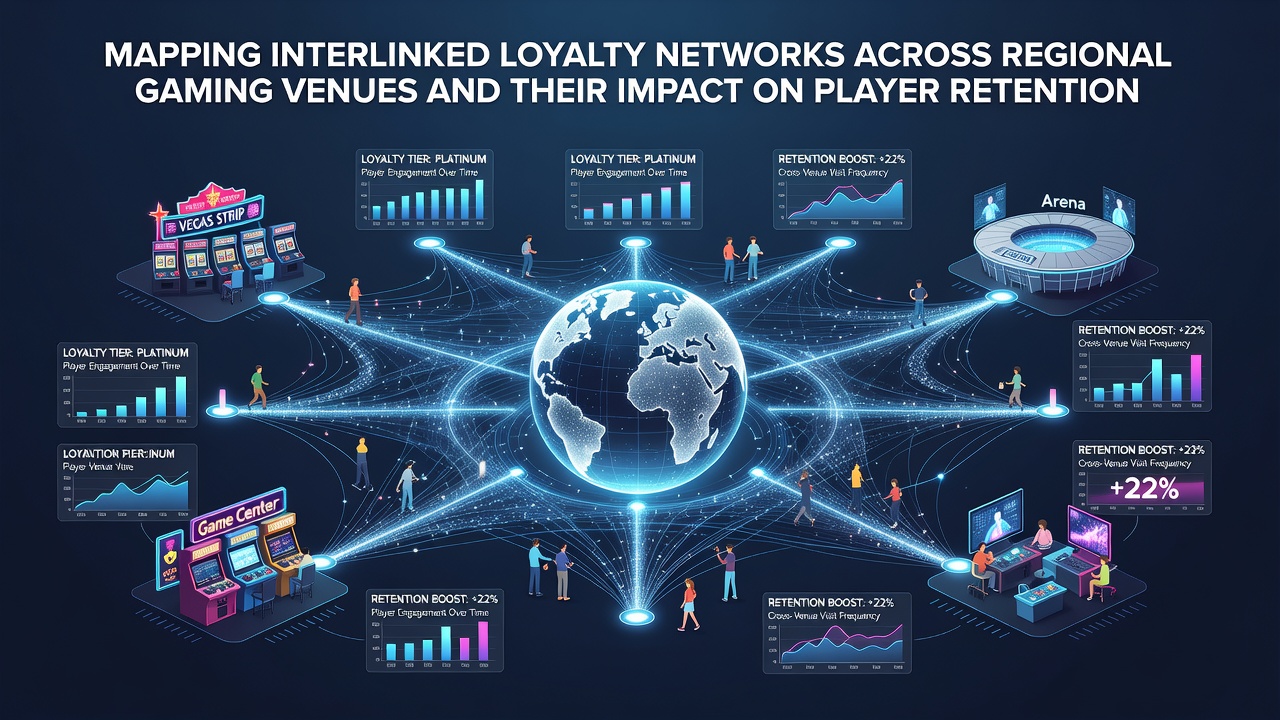
Segment analysis further demonstrates that mid-tier players benefit most from network connectivity because they gain access to elevated rewards sooner through combined activity, and operators use this insight to design tier-progression mechanics that encourage exploration of partner locations. Data from these studies also points to reduced churn rates when personalized communications reference activity across the entire network rather than isolated visits.
Regional Variations and Implementation Examples
Different regions apply network models according to local regulations and market density, and operators in the western United States have formed alliances that span multiple states while adhering to varying tax and reporting requirements. In contrast, European markets outside the UK have tested limited cross-border point sharing under strict data-protection frameworks, and early results suggest comparable retention gains when compliance structures are followed.
One documented case in Nevada showed that a regional consortium linking four mid-sized properties recorded a 12 percent rise in monthly active accounts within the first year of network activation, and parallel findings emerged from Canadian provinces where similar linkages were introduced in 2025. These examples illustrate how geographic scale and regulatory environment shape both the architecture and the measurable outcomes of loyalty connectivity.
Conclusion
Interlinked loyalty networks continue to expand across regional gaming venues as operators refine data-sharing agreements and analytical tools, and retention data collected through these systems provides increasingly granular insight into player behavior. Ongoing monitoring by academic and industry researchers will determine how future technological and regulatory shifts affect the structure and effectiveness of these networks in maintaining sustained engagement across multiple sites.