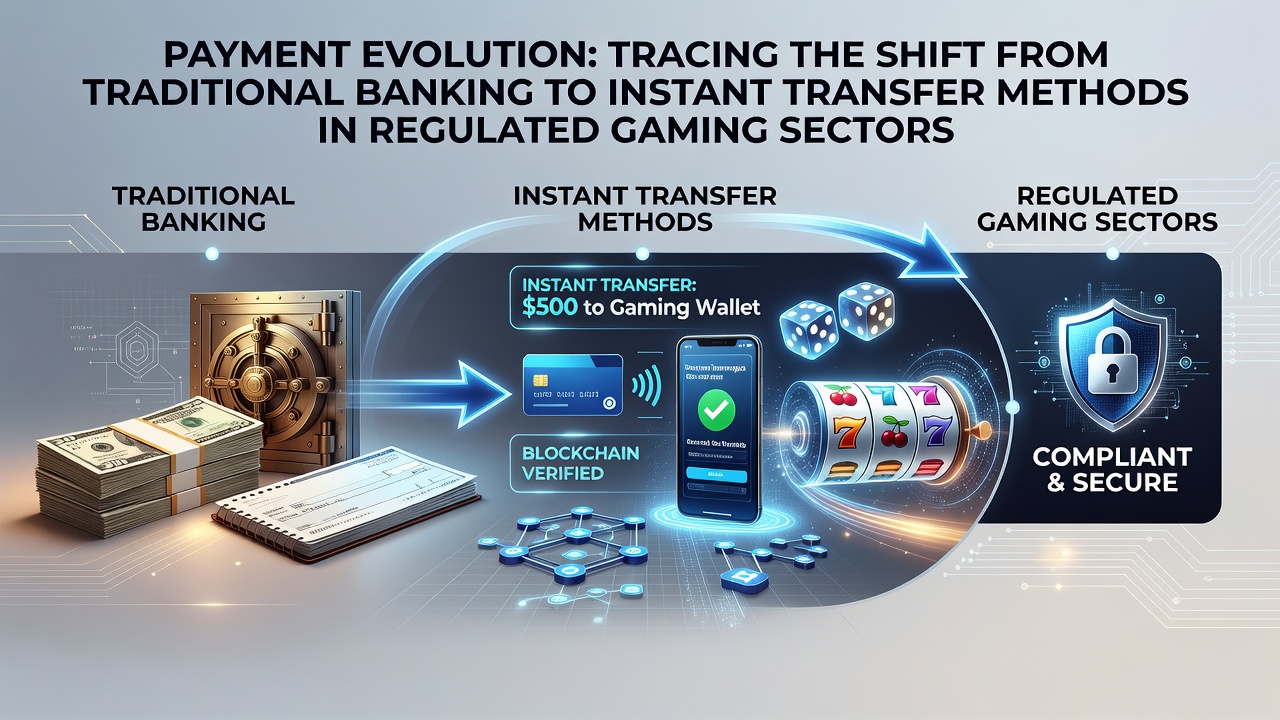
Payment Evolution: Tracing the Shift from Traditional Banking to Instant Transfer Methods in Regulated Gaming Sectors
Traditional banking systems once dominated transactions in regulated gaming sectors, relying on checks, wire transfers, and credit card authorizations that often required days to clear, yet operators and players navigated these delays through established verification protocols set by financial institutions. Over time payment infrastructure evolved alongside technological advances, shifting toward digital platforms that prioritized speed and security while maintaining compliance with licensing requirements across multiple jurisdictions.
Early Foundations in Regulated Environments
Regulated gaming operators historically depended on manual processes where players deposited funds through bank drafts or in-person cashier services, and these methods aligned with strict oversight from bodies like the Nevada Gaming Control Board that emphasized audit trails and fund verification. Data from industry reports indicate that such systems reduced fraud risks through layered approvals, although processing times stretched from 24 hours to several business days depending on the banking network involved.
As electronic banking expanded in the late 1990s and early 2000s, credit card processing entered gaming markets under guidelines from organizations such as the European Gaming and Betting Association, allowing operators to integrate secure gateways that authenticated transactions in real time while logging every step for regulatory review. This transition marked an initial move away from paper-based records toward digital ledgers that supported higher transaction volumes without compromising oversight standards.
Digital Wallets and Accelerated Processing
E-wallets emerged as a bridge between traditional banking and faster options, with services like Neteller and later PayPal gaining traction in licensed sectors because they isolated player funds from direct bank accounts and enabled quicker withdrawals after identity checks. Research from the University of Nevada Reno highlights how these platforms reduced chargeback rates in gaming applications by routing payments through centralized accounts that complied with anti-money laundering rules enforced in various regions.
By the mid-2010s many operators adopted open banking frameworks that connected directly to player accounts via APIs, cutting settlement times from days to hours in places where regulations permitted such integrations. Observers note that this approach maintained transparency because each transfer generated immutable records accessible to auditors, while players benefited from reduced friction during deposits and payouts.
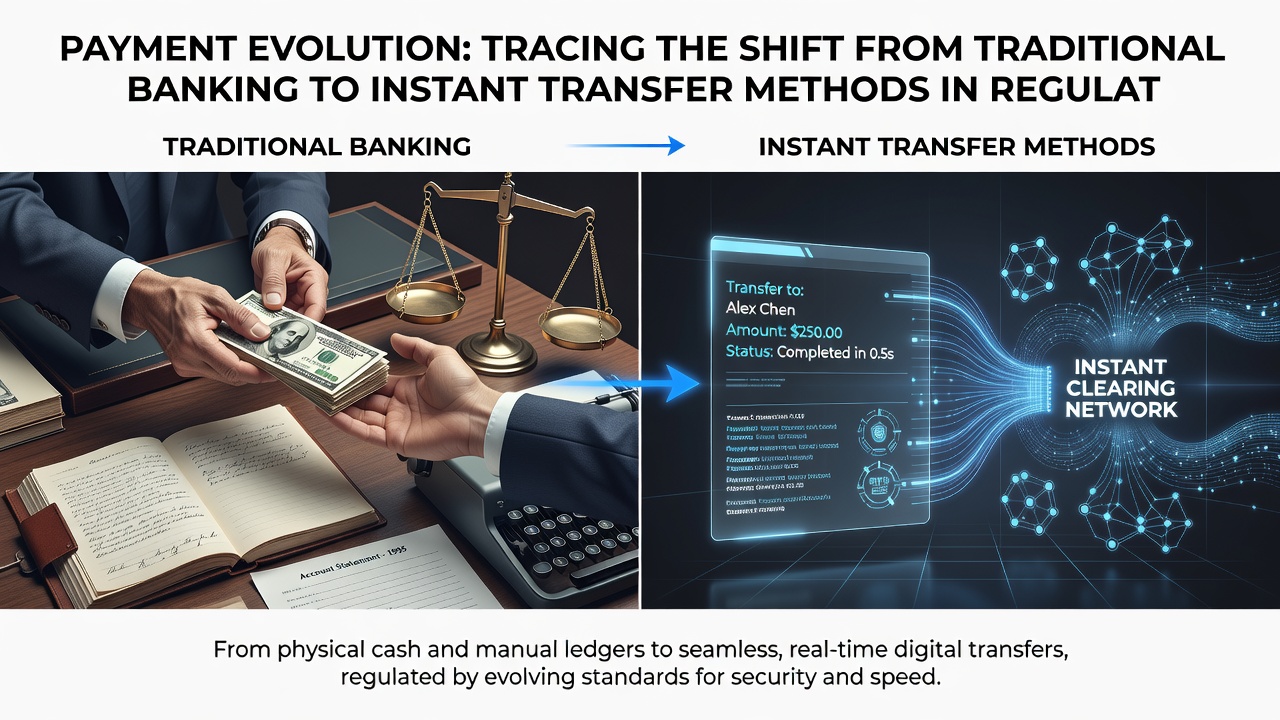
Instant Transfers and Regulatory Integration in 2026
Instant transfer methods gained momentum through real-time payment rails such as those developed under the Faster Payments Service in multiple countries and similar systems elsewhere, allowing licensed gaming platforms to process withdrawals within seconds once verification cleared. As of August 2026 figures from the Australian Communications and Media Authority reveal that adoption of these instant rails in regulated online gaming reached over 65 percent among compliant operators, driven by updates to consumer protection standards that favored rapid fund access without bypassing security layers.
Operators integrated blockchain-verified ledgers alongside traditional instant rails in select markets to further enhance traceability, yet all implementations stayed within frameworks set by bodies like the Alcohol and Gaming Commission of Ontario that required pre-approval of any new technology. This dual approach supported higher throughput during peak periods while preserving the audit capabilities that regulators demand for licensed activities.
Case examples show how one major European operator streamlined its payout system using instant bank transfers linked to verified player profiles, resulting in average completion times dropping below five minutes according to internal compliance logs shared with oversight agencies. Those who've examined transaction data across jurisdictions observe consistent patterns where instant methods lowered operational costs related to manual reconciliations, although initial setup demanded significant investment in encryption and monitoring tools.
Security Protocols and Compliance Measures
Every shift toward instant transfers incorporated enhanced security layers including multi-factor authentication, device fingerprinting, and automated fraud detection algorithms that flag anomalies before funds move. Reports compiled by the Canadian Gaming Association emphasize that these safeguards align with global standards for responsible gaming, ensuring that speed does not override requirements for age verification and spending limit enforcement.
Training programs for gaming staff now cover monitoring of instant payment flows to detect patterns that might indicate unauthorized activity, and regulatory updates in various regions continue to refine reporting thresholds for high-value transfers. This ongoing adaptation demonstrates how the sector balances technological progress with the foundational need for accountability that has defined regulated gaming since its formal licensing eras.
Conclusion
The progression from traditional banking instruments to instant transfer solutions reflects broader changes in financial technology that regulated gaming sectors have incorporated under careful supervision. Data across regions shows sustained growth in adoption rates for these faster methods, supported by frameworks that prioritize both efficiency and regulatory integrity. As payment technologies continue advancing, licensed operators maintain focus on systems that deliver verifiable, secure transactions while meeting the standards established by oversight authorities worldwide.