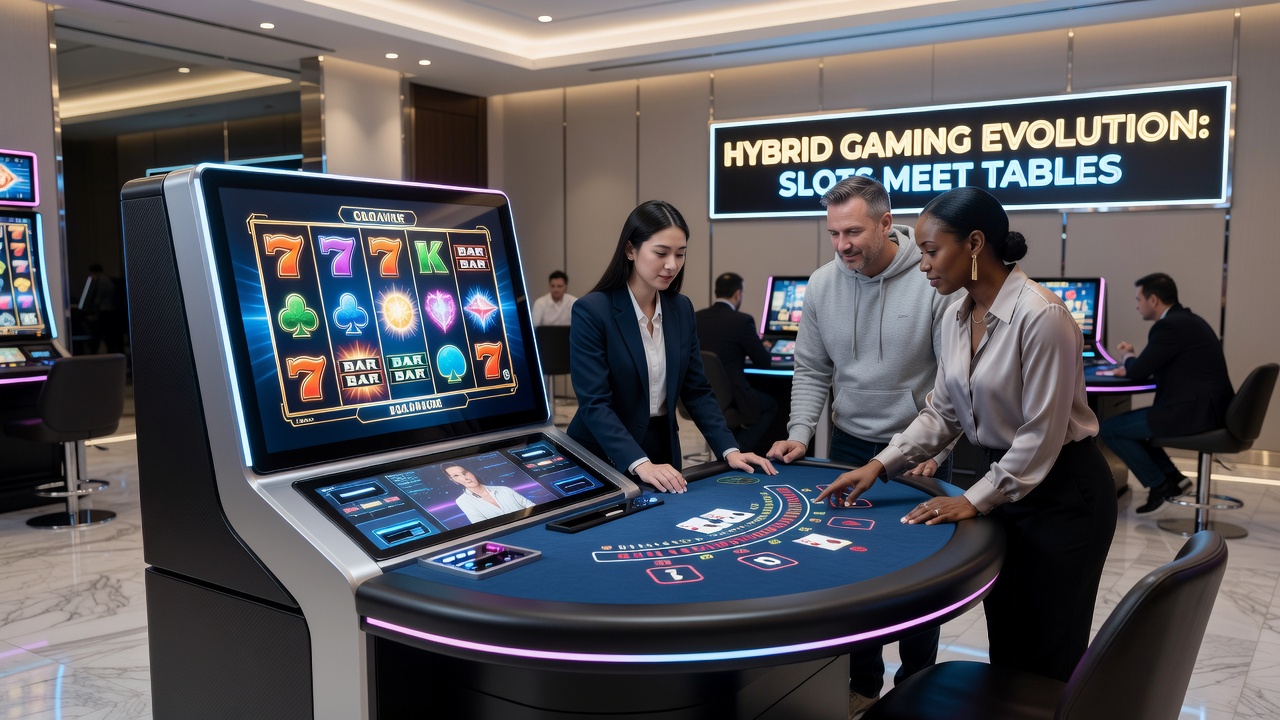
Merging Mechanics: How Hybrid Slot and Table Formats Are Reshaping Casino Play
Hybrid gaming formats that blend the rapid reel spins of slots with decision-driven elements from table games have gained measurable traction across multiple markets, and data from regulatory filings plus operator reports show participation rates climbing steadily since 2023. These games often feature core slot mechanics such as paylines and bonus rounds while incorporating choices like holding cards, placing side bets, or selecting multipliers that echo blackjack or roulette strategy, which creates a middle ground for players who enjoy both luck-based and skill-influenced experiences.
Market Data and Participation Trends
Figures released by the Nevada Gaming Control Board indicate that hybrid titles accounted for roughly 12 percent of slot revenue in the state during the first quarter of 2026, up from 7 percent two years earlier, and similar patterns appear in reports from the Canadian Gaming Association where integrated formats now represent a growing slice of floor space in major properties. Observers note that these products attract a broader demographic because they reduce the intimidation factor some newcomers feel at pure table games while adding layers of interaction missing from traditional slots.
Studies conducted by researchers at the University of Nevada, Reno have tracked session lengths and found that hybrid players tend to stay engaged 18 to 25 minutes longer on average than those using standard slot machines, which operators attribute to the added decision points that keep attention focused. Yet participation remains concentrated in the 25-to-45 age group according to aggregated loyalty data, while older demographics continue to favor either pure slots or classic table offerings.
Game Design and Technical Integration
Developers achieve the hybrid effect through several approaches including video poker hybrids that layer reel bonuses onto hand rankings, roulette-themed slots where wheel spins trigger table-style payouts, and blackjack-inspired games that combine card draws with cascading reel wins. Software providers integrate random number generators for the chance elements alongside rule-based algorithms that handle player choices, and these systems must meet testing standards set by independent labs before receiving approval in regulated jurisdictions.
One prominent example involves games where a base slot round determines whether a secondary table mini-game activates, such as a simplified poker showdown or a dice roll that multiplies winnings, and these mechanics require precise coding to maintain certified return-to-player percentages while delivering the combined experience. Manufacturers have adjusted interface layouts so touchscreens display both reel grids and decision buttons without clutter, which helps maintain pacing during live play on both land-based terminals and online platforms.

Regional Variations and Regulatory Context
European markets show distinct adoption curves compared with North America, with several operators in Malta and Gibraltar launching hybrid lobbies that bundle these titles under dedicated categories, and licensing authorities there require separate compliance reviews for the table-component rules. In Australia, state-level regulators have begun evaluating similar products for potential deployment in electronic gaming machine venues, citing player preference surveys that highlight demand for more varied gameplay options.
What's interesting is how these formats interact with responsible gambling tools, since decision points can influence betting speed and session intensity, and some jurisdictions now mandate that hybrid games include the same reality-check prompts and limit-setting features required for standalone slots or tables. Data shared by the Australian Communications and Media Authority reveals that jurisdictions with clear hybrid guidelines report fewer compliance issues during audits than those still developing frameworks.
June 2026 brought additional attention when several major trade shows unveiled updated hybrid cabinets that incorporate live-dealer feeds into slot progressions, allowing remote players to watch real table action while their reel spins determine side-bet eligibility. These demonstrations drew interest from operators seeking to refresh floor mixes without expanding physical table counts, which often face stricter space and staffing regulations.
Player Behavior Insights
Loyalty program analytics from multiple properties indicate that hybrid users frequently migrate between formats within a single visit, starting with quick slot sessions before moving into table-influenced rounds once they feel more comfortable with the rules. This pattern suggests the formats serve as an on-ramp rather than a permanent replacement for either traditional category, and marketing teams have started promoting them in cross-genre campaigns that highlight the shared themes of chance and choice.
Research from independent testing labs shows that return-to-player distributions in well-designed hybrids remain within acceptable ranges for both components, yet volatility profiles can shift depending on how often the table elements activate and how large their potential multipliers become. Players who prefer lower variance often gravitate toward hybrids with frequent but modest table bonuses, whereas those seeking higher excitement select versions where table outcomes carry larger payout swings.
Conclusion
Hybrid slot-table formats continue to evolve as technology improves integration between random outcomes and player decisions, and ongoing data collection from regulators plus academic partners will clarify whether these products sustain long-term interest or represent a temporary bridge between established categories. Operators monitor performance metrics closely because floor allocation decisions depend on demonstrated revenue stability across different player segments, and the coming years will likely bring further refinements in both hardware design and regulatory oversight.