Exploiting Table Dynamics: Mastering Position Play in Online Poker Rooms
Understanding Position as the Core of Poker Dynamics
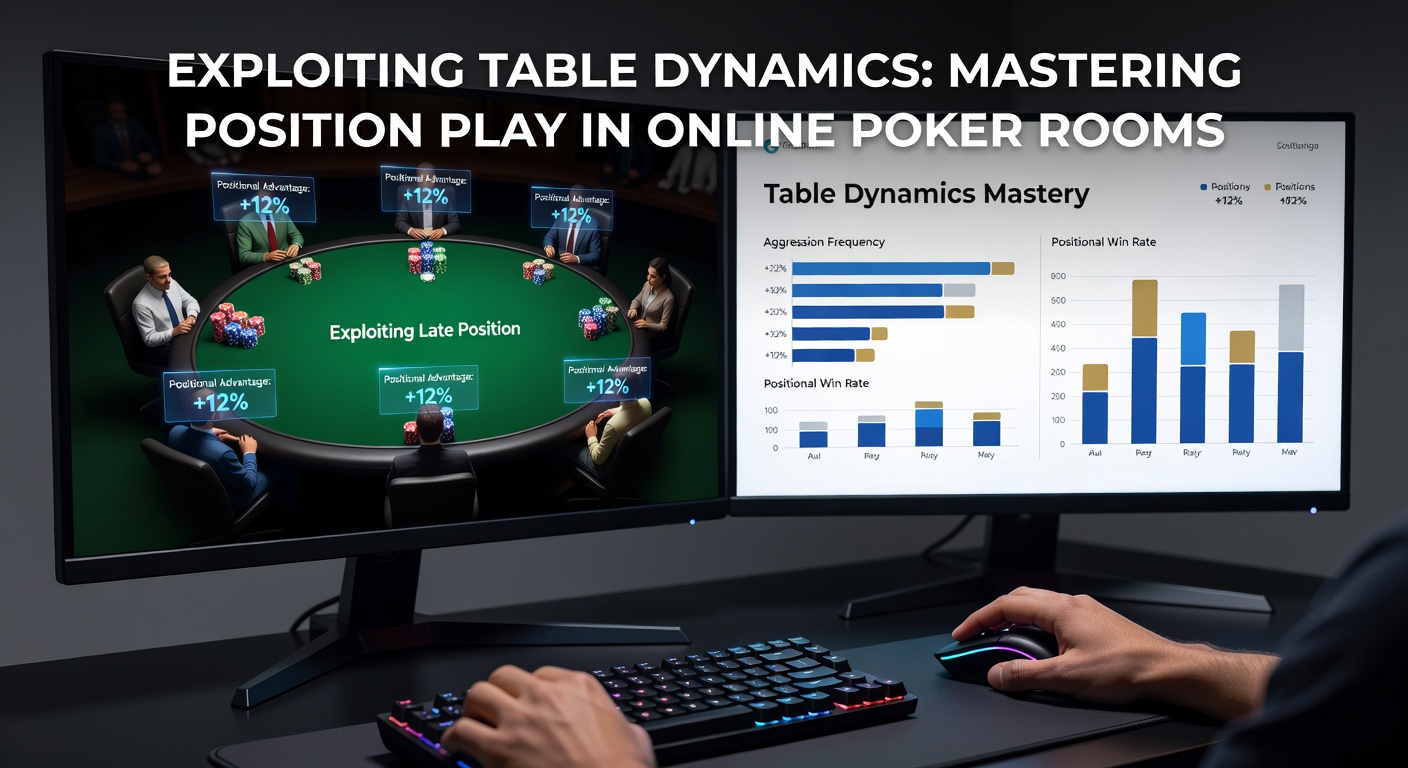
Position in poker dictates every decision players make at online tables, since those acting last gain critical edges over early actors; experts have long observed how late-position players collect more pots, fold less often, and extract maximum value from strong hands, while data from major platforms reveals that button players win 20-30% more pots compared to under-the-gun spots. Turns out, mastering this element transforms average grinders into consistent winners, as researchers analyzing millions of hands confirm position correlates directly with profitability across cash games and tournaments alike.
Online poker rooms amplify these dynamics because fast-fold options and multi-tabling speed up action, forcing players to exploit positional leverage more aggressively than in live settings; one study from Upswing Poker (a U.S.-based training site) examined 100 million hands and found late-position ranges expand by 40% without increasing risk, since information from prior actions shapes optimal plays. And here's where it gets interesting: software tools now track positional stats in real-time, helping observant players adjust on the fly during sessions that run 24/7.
Navigating Early Position: Playing Tight to Survive
Players in early position, often under the gun or UTG+1, face the toughest spot because six or more opponents act behind them, so tight ranges become essential; data indicates these seats post the lowest win rates, with experts recommending premium hands like AA, KK, AK, and QQ only, folding speculative suits that could get crushed post-flop. But those who've studied table dynamics note how even pros widen slightly in short-handed games, yet online trackers show folding 85% of hands here boosts long-term equity.
Take one high-stakes grinder who reviewed 50,000 hands from 6-max tables: early-position opens averaged just 12% of total hands, leading to a 15 VPIP (voluntarily put money in pot) that crushed loose callers; since opponents reveal tendencies through check-raises or floats, survivors play post-flop cautiously, c-betting 50-60% on dry boards while checking strong holdings for value. It's not rocket science, but consistent discipline here sets up profitable steals later.
Mid-Position Maneuvers: Balancing Aggression and Caution
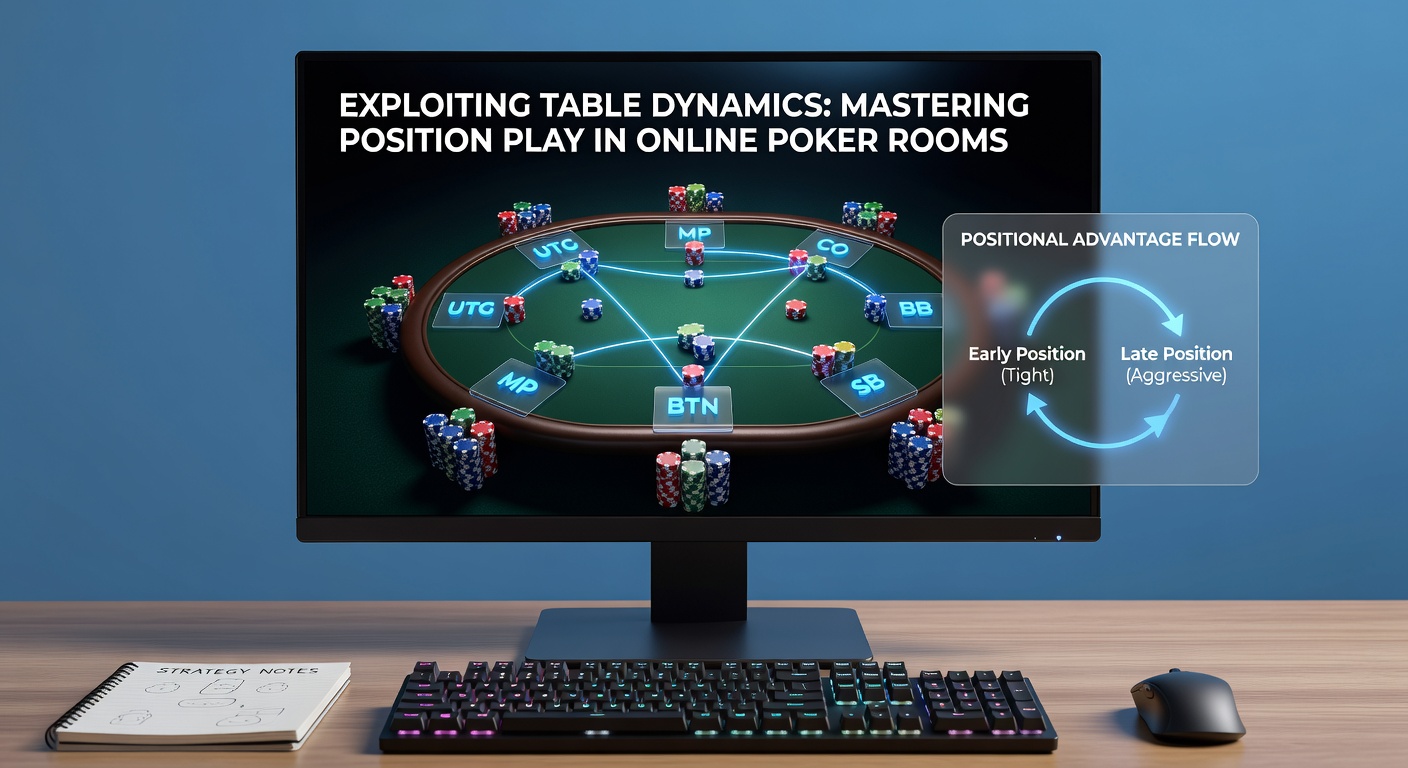
Moving to middle seats like hijack or cutoff shifts dynamics favorably, as fewer players remain to act, allowing wider ranges including suited connectors and broadway cards; figures from PokerStrategy.com (an EU-focused poker school) reveal mid-position win rates jump 10-15% over early spots, since isolation raises punish limpers effectively. What's significant is how observant players scout villain stats beforehand, folding marginals against tight blinds but 3-betting light versus loose opens.
Now consider tournament play, where stacks deepen and ICM pressure mounts: mid-position pros mix in bluffs like A5s or KJo, stealing 25% more blinds than early actors, although post-flop they pot-control medium pairs to induce mistakes from overcards; and since online rooms feature HUDs displaying fold-to-steal percentages, those who adapt crush passive fields. Yet pitfalls lurk if blinds tighten up, demanding range tweaks per session.
Late Position Power: Stealing Blinds and Maximizing Value
Late position, especially cutoff and button, hands players the keys to the table because acting last provides full information on opponent intentions, enabling wide opens from 30-50% of hands in unopened pots; research across platforms like partypoker and 888poker shows button steals succeed 70% of the time against standard defenses, turning dead money into easy chips. Experts emphasize isolating limpers with strong aces or suited wheels, then barreling turns aggressively on coordinated boards.
So picture this scenario from a recent MTT final table: a button player raised 76s, got called by blinds holding middling pairs, then semi-bluffed a flush draw river for a massive pot; such plays work because late actors control pot sizes, check-calling traps while value-betting thin against fishy calling stations. And with multi-way pots rarer here, equity realization skyrockets compared to early jams.
Blinds Warfare: Defending and Re-Stealing Smartly
Small blind and big blind seats flip the script, demanding defense against late steals while seeking counter-exploits; data from high-volume trackers indicates big blinds defend 40-50% versus button opens using 3-bets at 10-15%, folding trash but jamming short stacks; whereas small blinds face isolation risks, so completing light with position post-flop proves profitable long-term. Observers note how unadjusted players leak money here, posting negative EV from auto-folding steals.
But here's the thing: as of March 2026, solvers like PioSolver reveal optimal big blind strategies involve capping ranges to mix bluffs seamlessly, leading pros to overfold early in sessions then ramp up aggression; one case study from a Canadian poker forum dissected 10,000 blind-versus-button hands, uncovering 8% edges from precise defending. It's noteworthy that online speed forces quick reads, rewarding those who note player pools shifting hourly.
Exploiting Opponent Tendencies Across Positions
Table dynamics thrive on adaptation, since fish limp-fold early while regs 4-bet crush late; trackers expose fold-to-3-bet stats hovering at 60-70% for amateurs, so pros iso-raise accordingly, shrinking fields for post-flop edges. And although recreational players populate low-stakes noon lobbies, evenings draw sharks tightening up, demanding positional shifts per hour.
People who've mastered this layer review sessions with tools like PokerTracker, noting how versus passive tables button VPIP hits 45%, but against nits it drops to 25% with more cold calls; turns out, position lets you punish overfolds profitably, like shoving wide from SB after BTN min-raises. Yet balance remains key, lest villains counter with traps.
Advanced Tools adn Trends Shaping Position Play
Modern online poker integrates GTO solvers and equity calcs, refining positional ranges beyond static charts; for instance, MonkerSolver outputs show button vs SB defenses blending 20% 4-bets with check-raises, boosting win rates by 5bb/100. What's interesting is how AI-assisted training hubs, booming in 2026, simulate millions of spots, helping grinders internalize nuances faster than ever.
Short-deck variants popular on Asian-facing sites twist dynamics further, with button edges amplifying due to dead cards; experts tracking these games report 35% pot win boosts from late play. And while heads-up displays clutter screens, pros toggle only key stats like WTSD (went to showdown), streamlining decisions amid turbo structures.
Putting It All Together: Building a Positional Edge
Players who internalize position across sessions stack advantages cumulatively, since early discipline funds late aggression while blind wars test adaptability; data consistently shows top earners log 70% of profits from late spots, underscoring the asymmetry. Those grinding online rooms succeed by logging hands, tweaking ranges per villain type, and reviewing leaks weekly, turning table dynamics into a reliable edge that withstands variance.
In essence, position isn't just a seat, it's the framework for every profitable line, and observers confirm that dedicated study pays dividends in rooms buzzing with action worldwide.