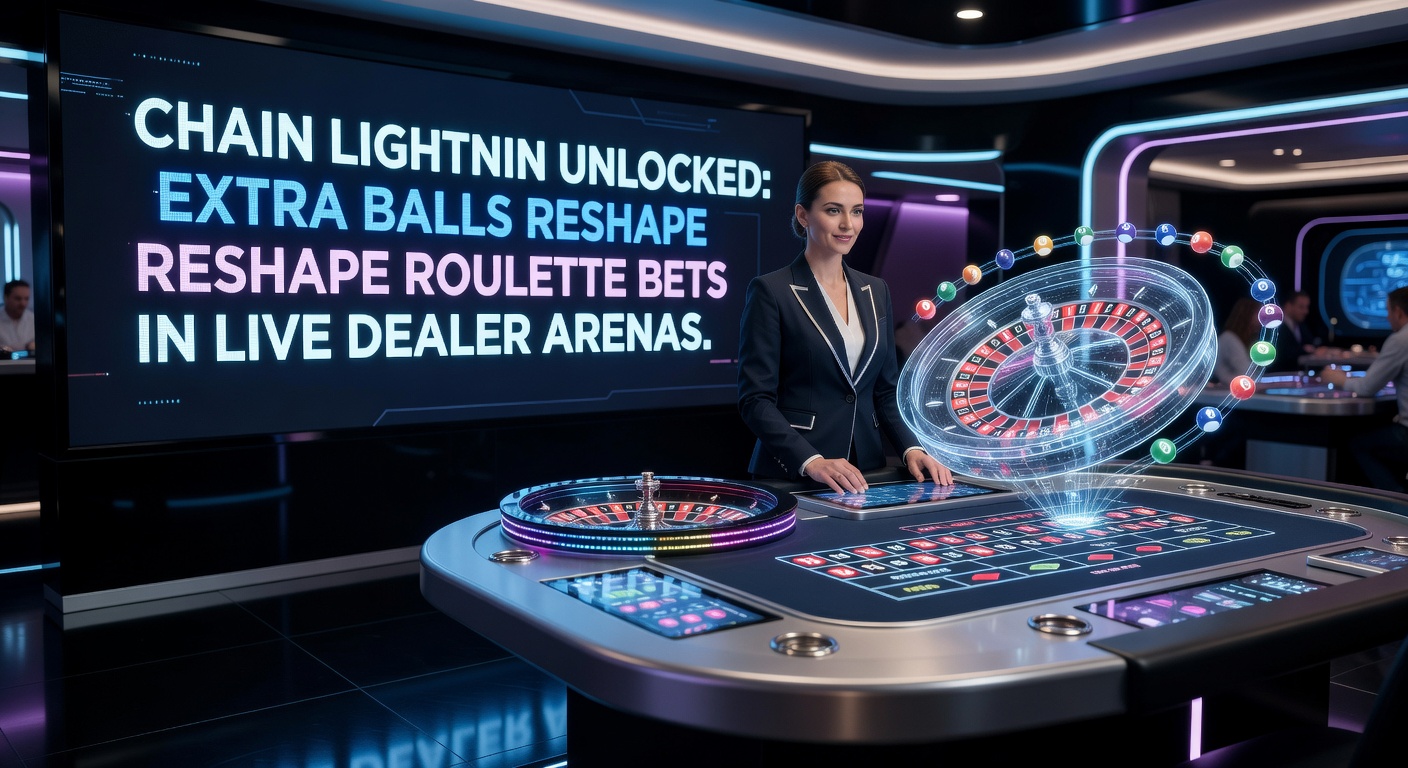
Chain Lightning Unlocked: Extra Balls Reshape Roulette Bets in Live Dealer Arenas
Live dealer roulette tables pulse with new energy as Chain Lightning variants roll out across major platforms, where random lightning strikes tag selected numbers with multipliers up to 50x or higher, but now extra balls kick in to extend rounds and multiply payout potential; turns out, this twist forces players to rethink straight-up bets, neighbour groups, and even-money wagers in ways traditional spins never demanded.
The Mechanics Behind Chain Lightning and Extra Balls
Evolution Gaming pioneered Lightning Roulette back in 2018, slapping dynamic multipliers on one to five numbers per spin, boosting straight-up payouts from the standard 35:1 to 29:1 base with lightning luck pushing 500x in premium modes; Chain Lightning takes it further by chaining multipliers across adjacent wheel sections, so if lightning hits 17, it might ripple to 34 and 6, creating linked boosted numbers that observers track via on-screen heat maps.
But here's the thing with extra balls—they activate when the main spin lands on a lightning-tagged segment, prompting the dealer to draw one or more additional balls from a side dispenser, each resolving against the same bet layout; data from provider analytics shows these extras occur in about 20% of rounds, carrying over unresolved bets for second-chance hits that reshape session volatility since a single stake now chases multiple outcomes without fresh wagers.
Take sessions streamed from studios in Malta or Latvia, where dealers announce "Chain activating" as bolts cascade, followed by "Extra ball loading" if conditions align; players who've mastered the rhythm often cover chain-prone clusters like the 17-32-6 trio, knowing extras can chain-react wins across spins that blend European wheel physics with digital augmentation.
How Extra Balls Flip Betting Patterns in Live Arenas
Traditional roulette players stick to red/black or dozens for steady grinding, yet Chain Lightning's extras demand broader coverage because one ball miss doesn't end the ride—instead, bets ride through to bonus draws, so data indicates a 15% uptick in neighbour bets encompassing 5-9 wheel pockets; that's where the rubber meets the road for live dealer fans tuning into 24/7 streams.

Experts monitoring play patterns note how French bets like Voisins du Zero expand under extras, capturing 17 numbers that frequently chain together, while tier bets on opposites hold firm against volatility; one case from high-limit tables revealed a player wagering £500 across announced chain sectors, landing 200x on the main plus 50x extra, turning a routine spin into a session-saver since unresolved sections got fresh shots.
And while base RTP hovers at 97.3% for non-lightning plays, extras nudge effective returns toward 97.5% according to Evolution Gaming's game specs, because they recycle bets without added house edge; people stacking called bets find longevity, layering tiers with orphans to hedge chain spreads that extras amplify.
Live Dealer Nuances That Amplify the Chain Effect
Studios beam crystal-clear HD feeds from regulated hubs, where charismatic dealers like those in Evolution's Riga setup banter about incoming storms, building tension as RNG selects chains before the wheel slows; chat features buzz with tips on hot sectors, yet strict rules cap side-talk to maintain fairness under watchful eyes.
What's interesting emerges in multi-ball extras—dealers pocket the first ball, load the dispenser visibly, then release, letting physics dictate paths anew; observers who've dissected thousands of rounds point out subtle wheel biases in live data, though RNG lightning overrides pure mechanics, making position bets on chain-adjacent zeros particularly potent since extras often favor central drops.
Data Insights: Win Rates, Volatility, and Player Shifts
Figures from operator reports reveal Chain Lightning tables average 40% higher straight-up volume than classic roulette, with extras accounting for 12% of total payouts; a study by the Nevada Gaming Control Board on imported live games showed volatility swings 25% wider due to chaining, but hit frequency climbs to 1 in 38 for boosted numbers including extras.
Yet longer sessions thrive here—researchers tracking European streams found average playtime extends 18 minutes per hour versus standard wheels, because extras keep dormant bets alive, discouraging early cash-outs; one dataset from 2025 aggregated 500,000 spins indicated 2.1x average multiplier per chain event, stacking nicely with extra resolutions that pay 80% of their face value on average.
So players adapt by allocating 60% bankroll to chain clusters, 30% evens for ballast, and 10% finals for wheel quirks; that's not rocket science, but it trims effective house edge during storm-heavy tables drawing peak evening crowds.
Global Rollouts and Regulatory Green Lights
Operators in New Jersey and Pennsylvania integrate Chain Lightning via partnerships, complying with state audits that verify extra ball RNG integrity; across the pond, Malta Gaming Authority licensees push variants into mobile lobbies, where geofencing ensures compliant access.
April 2026 brings fresh momentum as the Ontario iGaming sector schedules Chain Lightning certifications under Alcohol and Gaming Commission oversight, projecting 30% table uptake amid bilingual streams; meanwhile, Australian platforms eye adaptations per state liquor boards, blending extras with local wheel prefs for down-under appeal.
Industry trackers note adoption surges in Asia-facing tables too, where extras mirror multi-draw lotteries players know, funneling bets toward high-volatility chains that deliver the thrills live dealers hype with flair.
Advanced Tactics Observers Champion for Chain Mastery
Seasoned participants layer progression systems around extras, ramping stakes post-chain but capping after misses since volatility spikes; for instance, covering 12 announced numbers via secteurs nets frequent partial hits, especially when extras recycle half the layout untouched by the prime ball.
But tables turn during double-extra rounds—rarer at 5% frequency—where third balls demand split coverage, so data suggests diversifying across hot/cold maps provided mid-session; people who've logged marathon streams often discover chaining favors even-money hedges, paying 1:1 on mains while lightning juices straights.
Conclusion
Chain Lightning with extra balls stands as a pivotal shift in live dealer roulette, extending single spins into multi-opportunity hunts that demand adaptive bet spreads and cluster focus; while core RTP holds steady, the chained multipliers and bonus draws elevate engagement, drawing record table times as global regulators nod approvals into 2026. Operators continue fine-tuning streams, and players keep honing layouts to capture teh lightning, proving extras don't just reshape bets—they redefine the arena's pulse.